Top 3 Football World Cup Insights (2026)
The 2026 FIFA World Cup will be the largest men’s football tournament ever staged, with 48 national teams competing across Canada, Mexico, and the United States from June 11 to July 19, Los Angeles wi...

Top 3 Football World Cup Insights (2026)
The 2026 FIFA World Cup will be the largest men’s football tournament ever staged, with 48 national teams competing across Canada, Mexico, and the United States from June 11 to July 19, 2026. Los Angeles will host eight matches at SoFi Stadium, including the United States men’s national team’s opening match on June 12, while the region will also stage 39 days of fan celebrations. The expanded format creates 104 matches, not the 64 seen in 2022, and changes how teams manage fatigue, squad depth, travel, and knockout risk. Match Daily will track fixtures, team tactics, player statistics, predictions, and tournament developments for supporters worldwide. The clearest takeaway is simple: follow the official schedule first, then evaluate form, line-ups, and travel before trusting any prediction.

Photo by Sonny Vermeer on Pexels
The common misconception is that the football world cup is merely a month-long sequence of famous matches. It is far more demanding. The 2026 edition will test logistics, climate adaptation, tactical flexibility, and discipline across three host countries. According to FIFA’s official tournament information, the 48-team structure creates a new competitive landscape. Please begin with verified facts, not viral claims or unconfirmed betting tips. I learned that lesson the hard way after a scam site dressed speculation as “inside information.” Vigilance is not pessimism; it is professional preparation.
Would you like a reliable starting point for tournament coverage?
The Top 3 Football World Cup Insights at a Glance
The three most useful insights are tournament scale, Los Angeles match access, and evidence-based analysis. Together, they answer the questions most supporters ask: what changed, where should fans focus, and how can predictions become more disciplined? The ranking below is not a popularity contest. It reflects practical value for viewers, travelers, analysts, and readers comparing national teams before the first whistle.
- Tournament expansion: 48 teams and 104 matches create greater depth and more unpredictable qualification paths.
- Los Angeles as a major hub: SoFi Stadium will host eight matches, supported by the FIFA Fan Festival at LA Memorial Coliseum.
- Data-led preparation: Form, injuries, rest, tactical matchups, and travel offer stronger signals than reputation alone.
A crucial edge case deserves attention. In a 32-team tournament, one poor result can immediately distort a group table; in 2026, the round-of-32 pathway means teams must assess qualification scenarios beyond the traditional top-two model. FIFA’s final competition regulations and draw details remain the authority for exact group mechanics. For broader context, consult our [Internal Link: 2026 World Cup format and qualification guide] before comparing odds or forecasts.
Why does the 48-team format matter?
The 48-team format matters because it increases the tournament from 64 to 104 matches and adds a round of 32 before the traditional knockout stages. This gives more countries a route to the latter rounds, but it also increases scheduling pressure, travel exposure, and the importance of squad rotation.
The expansion changes analytical habits. A highly ranked nation may face more matches while a dark horse gains confidence through additional competitive minutes. However, more fixtures do not automatically mean better football; congested calendars can reduce pressing intensity, increase muscle-injury risk, and reward teams with dependable substitutes. Data from FIFA’s World Cup history shows how tournament winners typically combine elite individual talent with defensive consistency, but the 2026 format introduces more opportunities for variance. That is why Match Daily will separate pre-match expectation from confirmed match evidence. The strongest prediction is not always the most glamorous one.
#1 2026 Tournament Expansion: Best Overall
The expanded tournament is the best overall insight because it affects every team, fixture, forecast, and supporter itinerary. Forty-eight teams will represent a broader international field, while 104 matches will be distributed across Canada, Mexico, and the United States. The scale makes depth and recovery central competitive variables, not side notes.
A practical analytical model should examine five elements:
- Squad depth: Can the coach replace tired starters without weakening structure?
- Travel burden: Are long journeys followed by adequate recovery time?
- Climate adjustment: Can the team perform in heat, humidity, altitude, or cooler conditions?
- Set-piece reliability: Does the side possess a repeatable route to goals?
- Game-state control: Can it protect a lead without surrendering territory?
The contrarian conclusion is powerful: a celebrated attack may be less valuable than a reliable rotation plan. A nation that averages 2.1 goals per match during qualifying can still struggle if its midfield cannot maintain control after the third match. Conversely, a team with modest scoring numbers may advance by limiting high-quality chances. Match Daily’s [Internal Link: team tactics and defensive metrics hub] should be read alongside recent line-ups, because raw rankings often hide system changes. Please never treat a single friendly as proof of tournament readiness.
Ready to examine the competition through verified football data?
#2 Los Angeles: Best for Fan Experience
Los Angeles is the best football world cup destination for supporters seeking matches, public celebrations, music, food, and regional fan activity. SoFi Stadium will host eight FIFA World Cup 2026 matches, while the FIFA Fan Festival at LA Memorial Coliseum will provide live football, entertainment, and community programming.
The Los Angeles schedule creates a wider experience than a stadium visit. Official planning information identifies 39 days of fan celebrations across the region, including fan zones and watch-party activity throughout Los Angeles County. The United States men’s national team’s opening match at SoFi Stadium on June 12 is a major anchor, but visitors should verify kickoff times, transport rules, ticket conditions, and venue policies through official channels. The Los Angeles FIFA World Cup 2026 host website is the correct place to confirm local updates.
One operational detail can save serious frustration: a stadium ticket does not automatically guarantee convenient same-day transport or access to every public event. Supporters should compare hotel location with rail, shuttle, and walking options before booking. The LA Memorial Coliseum and SoFi Stadium are different venues with different crowd flows, so an itinerary built around only headline events can fail under real traffic conditions. This is precisely where cautious planning defeats costly guesswork.

Photo by Vitaly Gariev on Pexels
See the practical details before building your Los Angeles itinerary.
#3 Evidence-Based Match Analysis: Best Value
Evidence-based analysis offers the best value because it costs nothing to apply and reduces emotional decision-making. A useful preview combines recent competitive results, expected line-ups, injuries, tactical shape, set-piece output, goalkeeper performance, and rest days. Famous shirts matter commercially; they do not guarantee victory.
Match Daily’s coverage is designed around predictions, player statistics, team tactics, and daily 2026 World Cup developments. Readers should demand transparent reasoning: identify the data source, state the uncertainty, and distinguish probability from certainty. A model that assigns a team a 55% win probability is not promising a win; it is acknowledging that the opponent still has a 45% combined chance of drawing or winning. According to The International Football Association Board, match conditions and laws create fixed boundaries, but tactical outcomes remain fluid.
For responsible analysis, record your assumptions before kickoff. Note whether a key striker is confirmed, whether the team rotated three or more starters, and whether travel crosses multiple time zones. After the match, compare the forecast with actual performance rather than judging it only by the score. A 1–0 victory can conceal defensive collapse; a 2–2 draw can reflect excellent chance creation. This post-match audit is a specific advantage most prediction pages skip. As the FIFA Code of Ethics emphasizes, “integrity is a fundamental principle of football.” Treat information integrity with equal seriousness.
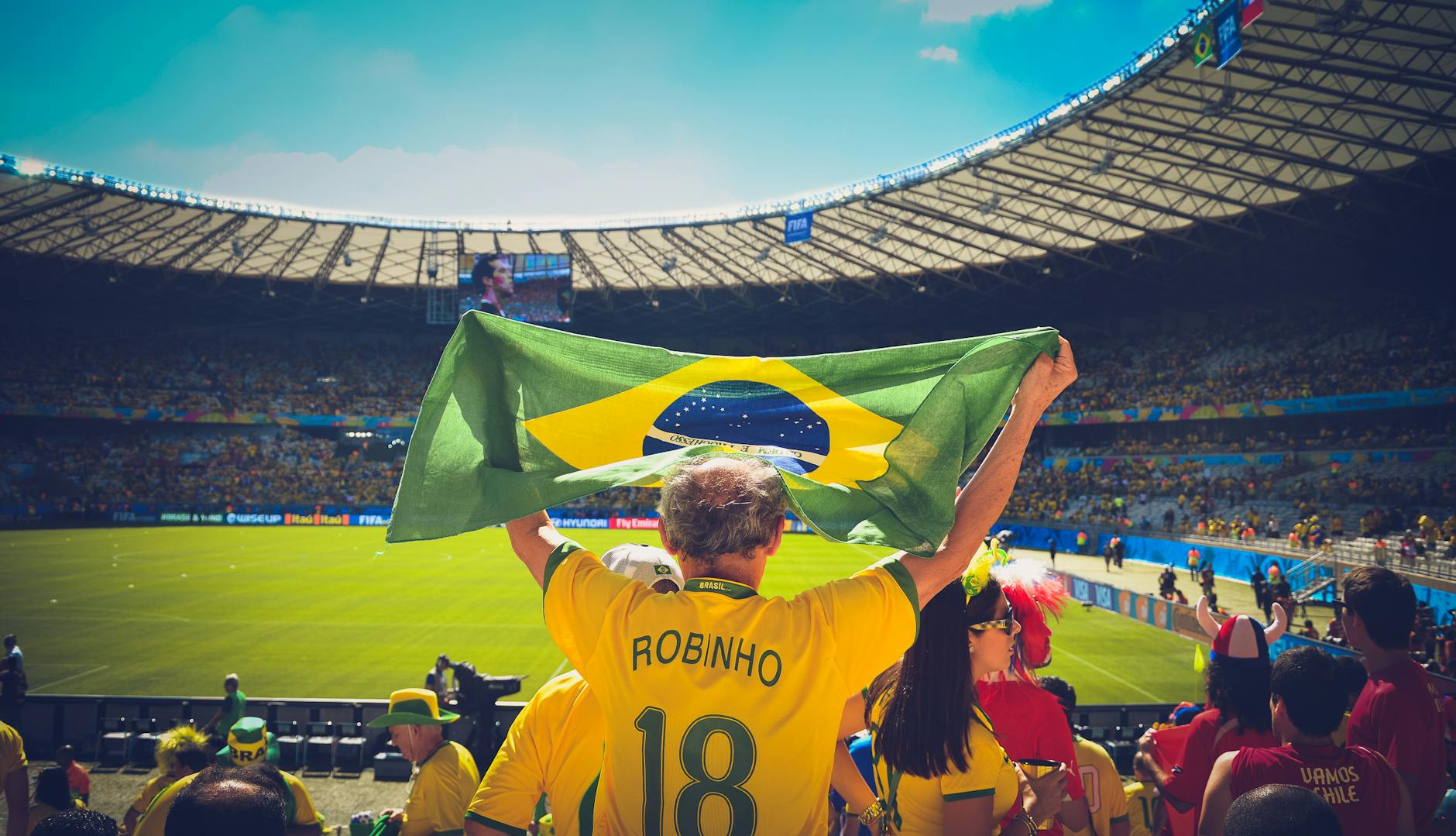
Photo by Caio on Pexels
For sharper previews and tournament tracking, explore the next Match Daily update.
How We Ranked Them
The ranking uses practical usefulness rather than brand fame. Tournament expansion receives 45% because it changes the entire competition. Los Angeles receives 30% because eight matches and 39 days of celebrations create exceptional supporter value. Evidence-based analysis receives 25% because disciplined interpretation improves decisions but cannot control match outcomes.
The criteria were:
- Reach: How many teams, fixtures, and supporters does the factor affect?
- Specificity: Can readers verify it using FIFA, host-city, or competition sources?
- Actionability: Does it improve planning, viewing, or match evaluation?
- Durability: Will the insight remain useful beyond one headline?
- Risk control: Does it reduce misinformation, overconfidence, or rushed decisions?
This weighting deliberately places facts before excitement. Official schedules can change, venue instructions can be updated, and squad news can arrive close to kickoff. Therefore, readers should timestamp their research and revisit major claims. Match Daily can provide interpretation, but FIFA, national associations, and host venues remain the final authorities for official information.
Which Should You Pick?
Choose tournament expansion if you want the strongest overall understanding of the 2026 football world cup. Choose Los Angeles if you are planning a trip, attending SoFi Stadium, or seeking the FIFA Fan Festival experience. Choose evidence-based analysis if your priority is comparing teams, identifying tactical mismatches, or following player performance without surrendering judgment to hype.
The best approach combines all three. Start with the official FIFA schedule, map travel and rest conditions, then examine confirmed line-ups and tactical trends. For supporters in Los Angeles, compare SoFi Stadium plans with LA Memorial Coliseum events and allow substantial traffic time. For readers studying matches remotely, build a simple record of probabilities, assumptions, and final results. That method transforms a prediction from a dramatic guess into a testable football opinion. Please enjoy the spectacle, but verify every important detail first.
Want to follow the 2026 football world cup with clearer daily analysis?
Frequently Asked Questions
Q: What is the 2026 football world cup format?
A: The 2026 football world cup will feature 48 national teams and 104 matches across Canada, Mexico, and the United States. The tournament begins on June 11, 2026, and the final is scheduled for July 19, 2026. The expanded field creates an additional knockout stage, so supporters should confirm the final FIFA competition regulations before relying on bracket summaries.
Q: How do I follow the 2026 World Cup schedule?
A: Follow the schedule through FIFA’s official tournament platforms and verified host-city sources. ESPN also provides a dedicated FIFA World Cup schedule interface, while Los Angeles organizers publish local match and event information for SoFi Stadium. Recheck kickoff times, venue policies, and transportation guidance because operational details can change before match day.
Q: What is the difference between the FIFA Fan Festival and a stadium match?
A: A stadium match is a ticketed competition event at a venue such as SoFi Stadium, while the FIFA Fan Festival is a public supporter experience featuring live matches, entertainment, food, and community activity. In Los Angeles, the FIFA Fan Festival is associated with LA Memorial Coliseum at Exposition Park. Access rules, capacity, and programming should be verified through official organizers.
Q: Is Los Angeles worth visiting for the 2026 football world cup?
A: Los Angeles is worth considering because it combines eight World Cup matches with 39 days of fan celebrations and multiple regional activities. SoFi Stadium provides the match setting, while LA Memorial Coliseum and official fan zones broaden the experience. Visitors should budget for accommodation, transport, food, and time lost in traffic rather than calculating value from ticket price alone.
Q: How should I make a responsible World Cup prediction?
A: Make a responsible prediction by comparing confirmed line-ups, recent competitive form, injuries, rest, travel, tactical matchups, and set-piece performance. Assign probabilities instead of declaring certainty, then record your assumptions before kickoff. Never risk money you cannot afford to lose, and use regulated, age-appropriate services where applicable; Match Daily’s analysis is informational, not a guarantee of results.
Q: Why might a World Cup prediction fail?
A: A prediction can fail because football contains high variance, including early red cards, injuries, deflections, goalkeeper errors, and tactical changes. It may also rely on outdated line-up information or ignore travel and rest conditions across North America. Review the process after the match, not merely the result, and distinguish a poor method from a reasonable forecast that encountered an unlikely event.
Q: What information does Match Daily provide?
A: Match Daily provides 2026 World Cup coverage focused on match predictions, team tactics, player statistics, fixtures, and tournament developments. Its practical value comes from connecting performance data with confirmed news and match context. Readers should still verify official dates, tickets, venue rules, and competition announcements through FIFA and host-venue sources.

Photo by Lum3n on Pexels
Thank you for reading.
Match Daily · The Ledger