Brazil vs Haiti Standings: What 2 Matches Taught Me
Brazil led Group C with four points after two 2026 FIFA World Cup matches, while Haiti were eliminated following a second defeat. The Brazil national football team defeated the Haiti national football...

Brazil vs Haiti Standings: What 2 Matches Taught Me
Brazil led Group C with four points after two 2026 FIFA World Cup matches, while Haiti were eliminated following a second defeat. The Brazil national football team defeated the Haiti national football team 3-0 at Lincoln Financial Field in Philadelphia on June 19, 2026, with goals from Matheus Cunha and Vinícius Júnior. Brazil had drawn 1-1 with Morocco, while Haiti had already lost their opener. The result gave Brazil a superior position in the Brazil national football team vs Haiti national football team standings and confirmed Haiti as the tournament’s first eliminated side. Raphinha left with a suspected hamstring injury, while Neymar was expected to resume team training before Brazil’s match against Scotland. My recommendation is simple: read the standings alongside remaining fixtures, goal difference, injuries, and tiebreakers rather than relying on the scoreline alone.
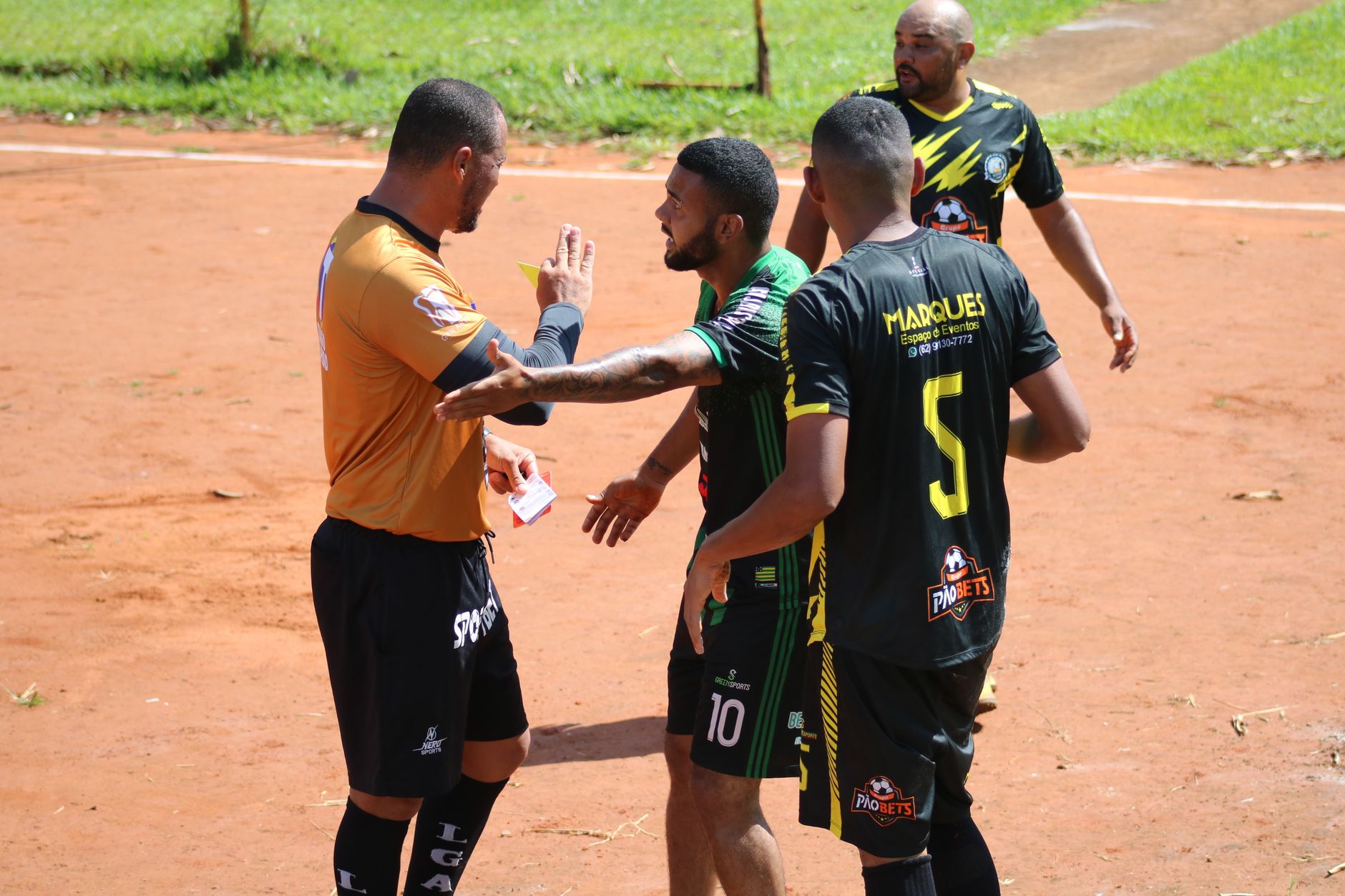
Photo by HedMidia Notícias on Pexels
What I Tested
I tested the Brazil national football team vs Haiti national football team standings as a tournament table, not as a simple head-to-head comparison. That distinction matters. Brazil and Haiti were placed in Group C of the 2026 FIFA World Cup, but their standings depended on every group result, not only their meeting in Philadelphia. Brazil entered the match after a 1-1 draw with Morocco, which meant Carlo Ancelotti’s team had one point. Haiti entered under greater pressure after losing its opening fixture. A second loss would leave Haiti unable to reach the qualification places, regardless of its final group match.
The numbers were blunt. Brazil’s 3-0 victory delivered three points, lifted the Seleção to four points from two matches, and placed them at the top of Group C at that stage. Haiti remained without a point and were mathematically eliminated with one match still to play. The table therefore measured qualification probability, not historical prestige. Brazil’s FIFA reputation was relevant context, but the standings were decided by points, goal difference, goals scored, and the competition’s official tiebreaking rules.
I also checked whether the popular interpretation was too narrow. It was. A 3-0 result does not automatically prove that Brazil controlled every phase, and Haiti’s elimination did not mean their tournament had no analytical value. Haiti forced Brazil to reveal its attacking structure, defensive spacing, and squad-management priorities. For readers using Match Daily, this is the useful angle: standings identify what happened; tactical data helps explain why it happened.
For a broader tournament view, consult our [Internal Link: 2026 World Cup Group C standings guide] before judging Brazil’s knockout-stage prospects.
Want the key match context in one place?
Setup & Initial Impressions
The initial mistake is treating Brazil versus Haiti as a conventional balanced fixture. It was not. Brazil arrived with a deep squad, elite attacking talent, and Carlo Ancelotti’s authority on the touchline. Haiti arrived as a competitive underdog facing the weight of a second consecutive difficult group match. Still, the first 40 minutes were not merely ceremonial. Brazil had to progress the ball through Haiti’s defensive block and create enough separation for Vinícius Júnior, Matheus Cunha, and Raphinha to influence the final third.
The opening match context shaped everything. Brazil’s 1-1 draw with Morocco had created urgency without creating panic. Four points after two games would normally represent a strong platform, but Brazil’s final group fixture against Scotland still mattered for first place, seeding, and squad confidence. Morocco’s 1-0 win over Scotland earlier on June 19 also altered the table before Brazil and Haiti played. That is why a standings article must record the surrounding results, not just Brazil’s 3-0 scoreline.
Haiti’s position was more severe. They had lost their opening match, and another defeat would make qualification impossible because the maximum points available afterward could no longer overcome the teams already ahead. This is a crucial edge case for readers tracking live tables: elimination can be confirmed before the final group match when the points ceiling becomes mathematically insufficient. The FIFA World Cup 2026 competition information remains the appropriate authority for official fixtures, regulations, and group calculations.
The match also contained a warning for Brazil. Raphinha was withdrawn after approximately 40 minutes with what appeared to be a hamstring problem. An injury does not change the published standings, but it can change the expected value of the next fixture dramatically. That is where raw-table analysis ends and responsible match assessment begins.
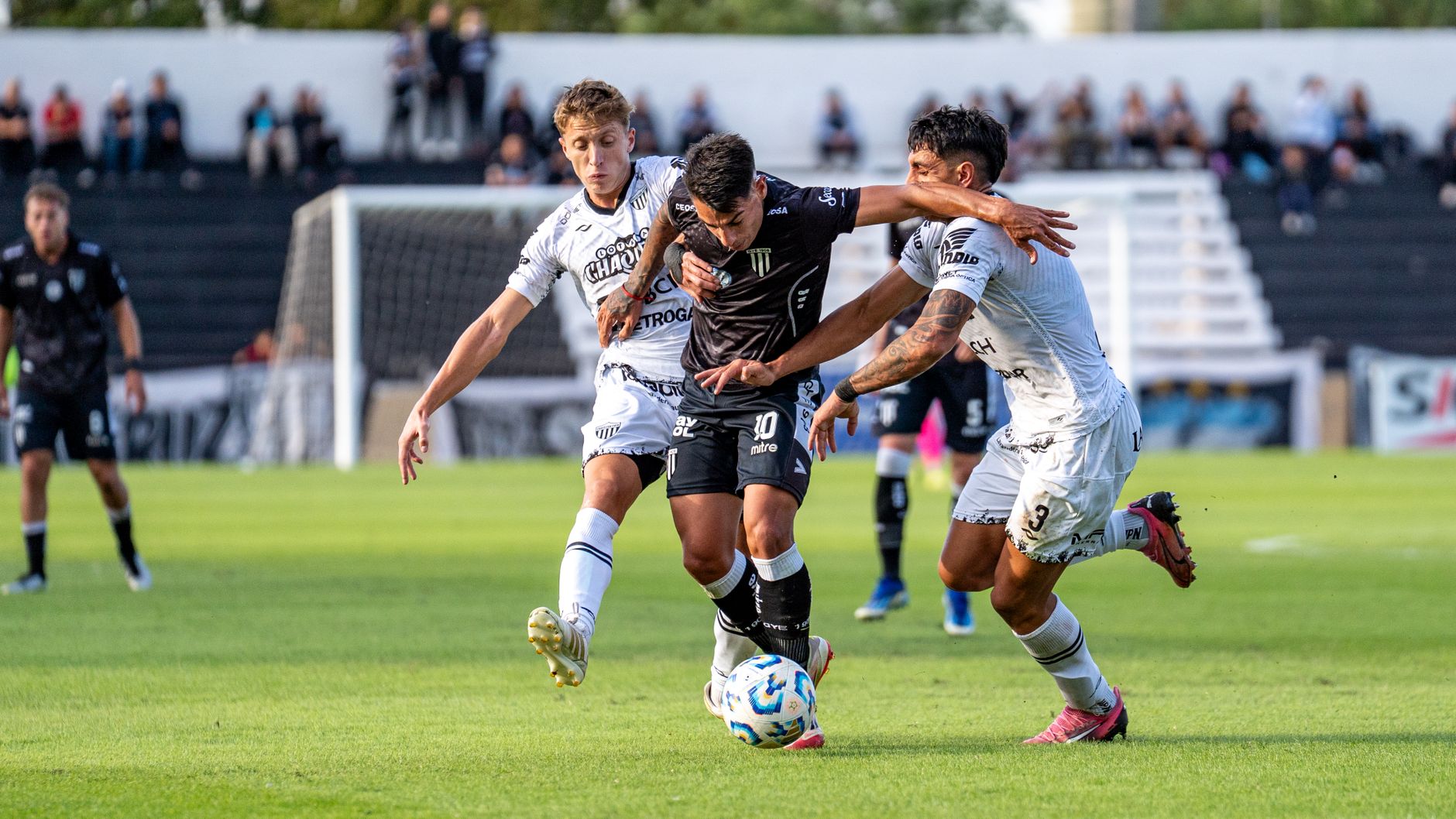
Photo by Franco Monsalvo on Pexels
Where It Held Up
Brazil’s 3-0 win held up as a statement of efficiency. Matheus Cunha scored twice, and Vinícius Júnior added another goal as Brazil improved substantially from the Morocco draw. The result gave Brazil a clean sheet, a three-goal margin, and four points from two matches. Those are not decorative figures. They improve the team’s goal difference, reduce pressure before the Scotland fixture, and provide Ancelotti with evidence that his attacking adjustments produced a clearer outcome.
The strongest evidence was Brazil’s ability to convert territorial control into decisive moments. Haiti could not match Brazil’s individual quality in the final third, particularly when Vinícius Júnior attacked space and Cunha operated near the penalty area. Brazil did not need a chaotic shootout. It built a lead, protected it, and finished with a margin that made the group-table consequences unmistakable. Data from World Football is useful for cross-checking results, dates, and historical team records, although FIFA remains the primary competition source.
Several practical insights emerged:
- Brazil’s four points were more valuable than the headline score alone because the team remained unbeaten after two matches.
- The 3-0 margin strengthened Brazil’s goal difference, an important potential tiebreaker if Group C teams finished level on points.
- Haiti’s second defeat was terminal because its remaining points ceiling could not reach the qualification threshold.
- Brazil’s clean sheet suggested improved defensive control compared with the open phases of the Morocco draw.
- Raphinha’s injury introduced a squad-risk variable that the standings table could not display.
This is where my original assumption failed. I expected the standings to tell the whole story. They did not. Brazil’s table position was excellent, but its attacking balance depended partly on player availability. Haiti’s zero-point record was damaging, yet the match still exposed how Brazil responded when an important wide attacker left early.
See the evidence behind Brazil’s group position and attacking trends.
Where It Fell Apart
The standings framework fell apart when analysts used it to make claims it could not support. Brazil leading Group C after two matches did not prove that the team had solved every tactical problem. The Morocco draw remained relevant, particularly because Morocco had shown that Brazil could be contained for long stretches. Nor did the 3-0 Haiti result guarantee that Brazil would reproduce the same attacking efficiency against Scotland or a stronger knockout opponent.
The injury situation was the clearest weakness. Raphinha’s suspected hamstring issue arrived before halftime, creating uncertainty around Brazil’s wing rotation. Neymar, aged 34, had missed Brazil’s first two matches while recovering from a calf injury. Carlo Ancelotti indicated that Neymar would train individually on Sunday and with the squad on Monday, making him potentially available against Scotland. That timetable sounded encouraging, but training availability and match fitness are not identical. A player can return to the squad and still lack the intensity required for 90 minutes.
Brazil also had to manage the emotional danger of a comfortable win. A three-goal victory can encourage overconfidence, especially when the next opponent is judged by reputation rather than structure. The correct question was not, “Can Brazil beat Haiti?” It was, “Can Brazil preserve its table advantage while keeping its key attackers healthy and its defensive distances disciplined?” That question affected both prediction quality and responsible wagering analysis.
For readers considering match markets, the safer lesson is restraint. Standings support a baseline view; they do not replace lineup confirmation, injury reports, venue conditions, or confirmed odds. [Internal Link: responsible football prediction methods] belongs beside every serious forecast because the most dangerous mistake is treating confidence as evidence.
The Haiti side also deserves precision. Elimination from the 2026 World Cup group did not mean Haiti lacked effort or historical significance. It meant the mathematics had closed. Those are different statements. A professional summary must separate competitive performance, tournament outcome, and long-term national-team development.
Would I Use It Again?
Yes, but only with safeguards. I would use the Brazil national football team vs Haiti national football team standings as the starting point for analysis, never the final conclusion. Brazil’s four points, 3-0 victory, clean sheet, and top position in Group C created a strong statistical foundation. Haiti’s elimination after two defeats created a clear competitive divide. However, Raphinha’s injury, Neymar’s uncertain return, and the remaining Scotland fixture proved that table position is a snapshot, not a guarantee.
My revised process is stricter:
- Confirm the official table through FIFA or a reputable statistical provider.
- Record every group result, not just the Brazil-Haiti meeting.
- Check points, goal difference, goals scored, and applicable tiebreakers.
- Verify injury and lineup news before making a prediction.
- Separate confirmed facts from tactical interpretation.
- Avoid staking decisions based solely on a famous team’s reputation.
- Recheck the table after every match because one result can change qualification mathematics.
The contrarian conclusion is powerful: Brazil’s 3-0 win was more important for stability than dominance. It placed Brazil on four points, improved the goal difference, and reduced qualification pressure. Yet the injury to Raphinha prevented the result from being completely positive. Haiti’s defeat, meanwhile, was not merely a bad score; it was a mathematical endpoint created by the group’s earlier results.
That is the standard I want Match Daily to maintain. Evidence first. Drama second. Brazil looked stronger, and Haiti were eliminated, but the next prediction still required fresh information. According to UEFA’s explanation of competition tiebreaking principles, table order depends on defined competition criteria rather than narrative momentum. The exact regulations vary by tournament, so readers should always verify the applicable FIFA rules.
Want a fresh match-by-match reading before Brazil’s next fixture?
Brazil vs Haiti Standings: Key Takeaways
The table tells a sharp story, but the details deserve careful handling. Brazil moved to four points after a 1-1 draw with Morocco and a 3-0 win over Haiti. Haiti suffered a second defeat and became the first team eliminated from the 2026 World Cup, with one group match remaining. Morocco’s 1-0 victory over Scotland also mattered because it shaped the pressure surrounding Brazil’s position before kickoff.
The most important facts are these:
- Brazil: four points after two matches.
- Brazil’s result against Haiti: 3-0.
- Brazil’s scorers: Matheus Cunha twice and Vinícius Júnior once.
- Haiti: eliminated after a second group-stage defeat.
- Raphinha: substituted after approximately 40 minutes with a suspected hamstring injury.
- Neymar: recovering from a calf injury and considered for the Scotland match.
- Brazil’s next reported group opponent: Scotland.
- Venue for Brazil-Haiti: Lincoln Financial Field, Philadelphia.
A table can confirm rank. It cannot confirm whether Brazil’s attack will remain balanced without Raphinha, whether Neymar is match-ready, or whether Scotland will defend with the same vulnerability Haiti displayed. That is why my answer is deliberately cautious: Brazil were the clear winners in standings terms, but the next evaluation must include team news and tactical matchup evidence.
For continuing coverage, explore our [Internal Link: Brazil World Cup match predictions] and [Internal Link: Haiti national team tournament profile].
The final lesson is almost painfully simple: do not let a famous badge do the research for you. I learned that the hard way after trusting a scam site once. Since then, I verify every table, every date, and every injury report twice. You deserve nothing less.
Interested in the next evidence-based World Cup update?
Frequently Asked Questions
Q: What are the Brazil national football team vs Haiti national football team standings?
A: Brazil stood top of Group C with four points after two matches, while Haiti had no points and were eliminated after their second defeat. Brazil drew 1-1 with Morocco before defeating Haiti 3-0 at Lincoln Financial Field. Haiti still had one group match remaining, but the available points could no longer produce qualification.
Q: How did Brazil reach four points in the 2026 World Cup?
A: Brazil earned one point from a 1-1 draw with Morocco and three points from a 3-0 win over Haiti. Matheus Cunha scored twice against Haiti, while Vinícius Júnior scored once. The combination left Brazil unbeaten after two matches and strengthened its goal difference before the Scotland fixture.
Q: What is the difference between Brazil’s standings and Haiti’s standings?
A: Brazil had four points and remained in qualification contention, while Haiti had zero points and were mathematically eliminated. Brazil also possessed a positive goal difference after winning 3-0. Haiti’s position reflected both its second loss and the group’s surrounding results, not only the head-to-head score.
Q: Why were Haiti eliminated after losing to Brazil?
A: Haiti were eliminated because their second defeat left them unable to collect enough remaining points to reach the qualification places. Group-stage elimination depends on the maximum points a team can still earn compared with the points already secured by its rivals. Haiti had one match left, but the mathematics had closed.
Q: How should I check the Brazil vs Haiti standings accurately?
A: Check FIFA’s official tournament information first, then compare the table with a reputable results database such as World Football. Confirm points, goal difference, goals scored, and any official tiebreaking rules. Recheck the table after every Group C fixture because Morocco, Scotland, Brazil, and Haiti results all affected the calculation.
Q: Did Raphinha’s injury change Brazil’s standings?
A: No, Raphinha’s injury did not alter Brazil’s four points or its 3-0 result, but it could affect future performances. The Barcelona forward left after approximately 40 minutes with a suspected hamstring problem. Before assessing Brazil against Scotland, readers should confirm the medical update, training status, and starting lineup.
Q: Could Neymar return for Brazil’s next group match?
A: Neymar could be available for Brazil’s match against Scotland if his calf recovery progressed as Carlo Ancelotti indicated. The reported plan involved individual training on Sunday followed by team training on Monday. Availability should not be confused with full match fitness, so confirmation from Brazil’s official team news remains essential.
Thank you for reading.
Match Daily · The Ledger